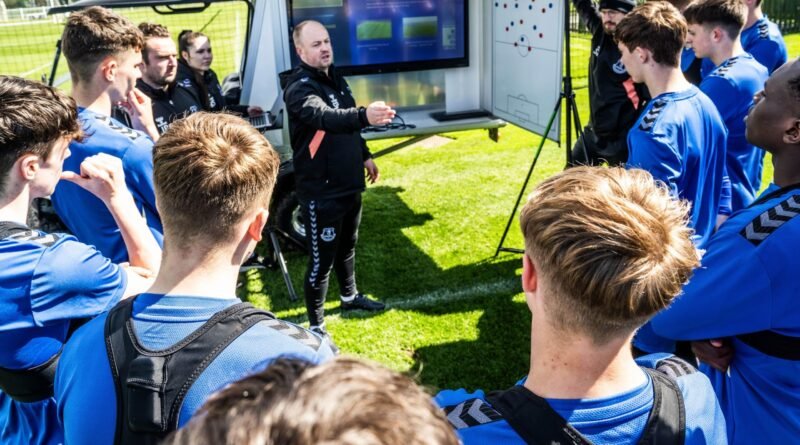
How to Analyze a Sports Match Like a Professional
Watching a sports match can be much more interesting when you understand what is happening beyond the final score. Professional analysts look at tactics, player decisions, team organization, statistics, and changes in momentum to understand why a match developed in a certain way.
You do not need to be a professional coach or sports analyst to develop these skills. With a few simple habits, anyone can learn how to analyze a sports match more effectively.
Start With the Team’s Game Plan
Before focusing on individual players, look at how each team approaches the match.
Ask yourself:
- Does the team prefer attacking or defending?
- Does it play quickly or slowly?
- Does it rely on possession?
- Does it use counterattacks?
- How does it respond after losing the ball?
Understanding the general game plan gives you a foundation for analyzing individual decisions.
Watch the Formation and Positioning
Team positioning can reveal a lot about tactics.
In football, for example, observe how defenders, midfielders, and attackers organize themselves. A team may appear to use one formation when defending and a different shape when attacking.
In basketball, look at spacing, defensive matchups, and player movement.
The goal is to understand where players are positioned and why.
Pay Attention to Possession
Possession statistics can provide useful information, but possession alone does not determine which team is playing better.
A team can have less possession and still create better scoring opportunities through quick transitions.
Instead of simply asking who has the ball more, consider what each team does with possession.
Analyze Important Moments
Professional analysts pay close attention to moments that change the direction of a match.
These can include:
- A goal or scoring play
- A defensive mistake
- An injury
- A tactical substitution
- A change in formation
- A red card or major foul
- A successful strategic adjustment
After the match, consider whether one of these moments significantly changed the game.
Study Player Decisions
Individual decisions can have a major impact on team performance.
Ask questions such as:
Why did the player make that pass?
Why did the defender move into that position?
Why did the attacker choose to shoot instead of passing?
Avoid judging a player only by whether the final result was successful. A good decision can sometimes produce an unsuccessful outcome, while a poor decision can occasionally produce a positive result.
Look Beyond the Star Players
It is natural to focus on the biggest names, but professional analysis considers the entire team.
A defender who consistently prevents dangerous attacks may have a major impact without scoring.
A midfielder who creates space for teammates may not appear prominently in the statistics.
Players who perform less visible roles can be essential to a team’s success.
Use Statistics Carefully
Modern sports provide enormous amounts of statistical information.
Depending on the sport, useful statistics may include:
- Possession
- Shots
- Shots on target
- Passing accuracy
- Rebounds
- Turnovers
- Tackles
- Fouls
- Scoring efficiency
Statistics should support your observations rather than replace them.
A single number rarely explains an entire match.
Analyze Changes During the Match
Strong analysts constantly compare different phases of the game.
For example, a team may dominate the first half but struggle after halftime.
Ask yourself what changed.
Did the opponent increase pressure? Did fatigue become a factor? Did a substitution change the tactical setup? Did the team begin defending deeper?
Identifying these changes can help explain the final result.
Watch How Teams React Under Pressure
Pressure often reveals a team’s strengths and weaknesses.
When a team is losing, does it become more aggressive? Does it maintain its normal strategy? Does it become disorganized?
When a team is winning, does it control possession or defend deeper?
These reactions can provide important clues about coaching decisions and team mentality.
Compare the Pre-Match Plan With the Actual Game
One useful analysis technique is comparing expectations with what actually happened.
Before the match, consider the teams’ strengths, weaknesses, recent performances, and likely tactics.
After the match, ask:
- Which predictions were correct?
- Which tactical ideas failed?
- Which players exceeded expectations?
- What surprised you?
This helps develop analytical thinking over time.
Take Notes While Watching
You do not need to record every action.
Instead, write down important observations such as:
- Tactical changes
- Key scoring opportunities
- Defensive problems
- Important substitutions
- Changes in momentum
After the match, review your notes and look for connections between different events.
Avoid Emotional Analysis
One of the biggest differences between casual viewing and professional-style analysis is objectivity.
Fans naturally support their teams, but emotional reactions can influence judgment.
Try to separate the result from the performance.
A team can win while playing poorly, and another team can lose despite producing a strong performance.
Analyzing the reasons behind the result is more valuable than simply describing the outcome.
Final Thoughts
Analyzing a sports match like a professional requires more than watching the scoreboard.
Pay attention to tactics, positioning, decision-making, statistics, substitutions, momentum, and how teams respond to pressure.
You do not need advanced technology or professional experience to start. Simply watch more carefully, ask questions, and compare what you expected with what actually happened.
Over time, these habits can help you understand not only what happened during a match, but why it happened.