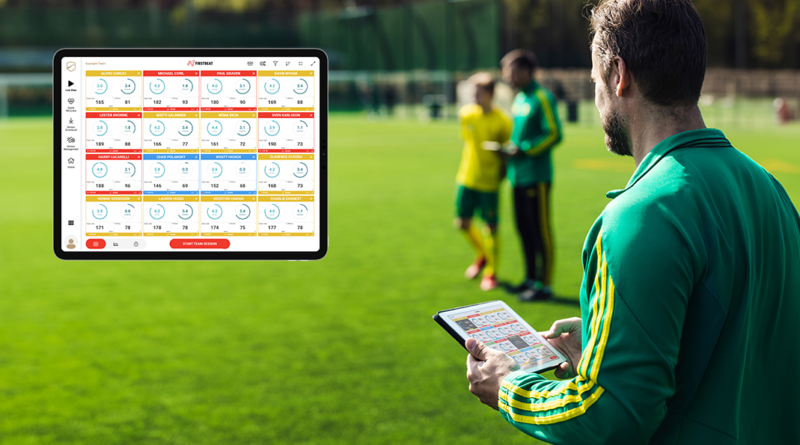
Understanding Player Statistics Across Different Sports
Player statistics have become an essential part of modern sports. Coaches, analysts, broadcasters, and fans use statistics to evaluate performance, compare athletes, and gain deeper insights into games. While every sport has its own unique metrics, the purpose of player statistics remains the same: measuring how effectively an athlete performs.
For beginners, sports statistics can seem overwhelming due to the wide variety of numbers and terms used across different leagues and competitions. However, understanding the most common statistics can make watching and analyzing sports much more enjoyable.
This guide explains how player statistics work across different sports and why they matter.
Why Player Statistics Are Important
Statistics provide objective information about performance.
They help:
- Evaluate players
- Compare athletes
- Identify strengths and weaknesses
- Support coaching decisions
- Improve scouting and recruitment
- Enhance fan understanding
While statistics do not tell the entire story, they provide valuable insights that complement what we see during games.
Traditional vs. Advanced Statistics
Sports statistics generally fall into two categories.
Traditional Statistics
These are the basic numbers most fans recognize.
Examples include:
- Goals scored
- Assists
- Points
- Rebounds
- Home runs
- Touchdowns
Traditional statistics are easy to understand and widely used.
Advanced Statistics
Advanced metrics provide deeper analysis by considering efficiency, context, and overall impact.
Examples include:
- Expected Goals (xG)
- Player Efficiency Rating (PER)
- WAR (Wins Above Replacement)
- Passer Rating
These statistics help analysts evaluate performance more comprehensively.
Football (Soccer) Statistics
Football is one of the most popular sports in the world, and player statistics have become increasingly sophisticated.
Goals
Goals remain the most important attacking statistic.
They measure how often a player successfully scores.
Assists
An assist is credited to a player who directly contributes to a goal.
Assists highlight creativity and playmaking ability.
Shots on Target
This statistic measures how many shots require a save or result in a goal.
It provides insight into offensive effectiveness.
Pass Completion Rate
Pass completion percentage measures passing accuracy.
Higher percentages often indicate strong ball control and decision-making.
Tackles and Interceptions
Defensive players are often evaluated using:
- Tackles
- Interceptions
- Clearances
- Blocks
These statistics help assess defensive contributions.
Basketball Statistics
Basketball generates a large volume of statistical data.
Points Per Game (PPG)
This measures a player’s average scoring output.
It is one of the most commonly used basketball statistics.
Rebounds
Rebounds occur when a player gains possession after a missed shot.
They are divided into:
- Offensive rebounds
- Defensive rebounds
Assists
Assists measure how often a player helps a teammate score.
Strong assist numbers often indicate excellent court vision.
Steals and Blocks
These statistics evaluate defensive performance.
Steals represent forced turnovers, while blocks prevent shot attempts from reaching the basket.
Field Goal Percentage
This measures shooting efficiency and helps determine scoring effectiveness.
American Football Statistics
American football uses specialized statistics based on player positions.
Quarterback Statistics
Key quarterback metrics include:
- Passing yards
- Touchdowns
- Completion percentage
- Passer rating
- Interceptions
These numbers help evaluate passing efficiency and decision-making.
Running Back Statistics
Important metrics include:
- Rushing yards
- Yards per carry
- Touchdowns
These statistics measure running effectiveness.
Receiver Statistics
Wide receivers are often evaluated through:
- Receptions
- Receiving yards
- Touchdowns
- Yards after catch
Defensive Statistics
Defenders are commonly measured by:
- Tackles
- Sacks
- Interceptions
- Forced fumbles
These numbers reflect defensive impact.
Baseball Statistics
Baseball is known for its extensive statistical tradition.
Batting Average (AVG)
Batting average measures how often a player gets a hit.
Home Runs (HR)
This statistic tracks the number of home runs hit.
Runs Batted In (RBI)
RBIs measure how many runs a player helps score.
Earned Run Average (ERA)
ERA evaluates pitchers by measuring earned runs allowed.
Strikeouts (K)
Strikeouts indicate how many batters a pitcher retires by strikeout.
Baseball also features numerous advanced metrics that provide deeper player analysis.
Tennis Statistics
Tennis statistics focus on serving, returning, and overall match performance.
First Serve Percentage
This measures how often a player’s first serve lands in play.
Aces
An ace occurs when a serve cannot be returned.
Double Faults
Double faults happen when a player misses both serve attempts.
Break Points Won
This statistic measures success when attempting to win an opponent’s service game.
Winners
Winners are shots that opponents cannot return.
These statistics help evaluate both offensive and defensive effectiveness.
Hockey Statistics
Ice hockey combines speed, skill, and physical play.
Goals
Goals remain the primary scoring statistic.
Assists
Assists reflect playmaking contributions.
Points
In hockey, points equal goals plus assists.
Plus-Minus Rating
This measures goal differential while a player is on the ice.
Save Percentage
For goalkeepers, save percentage measures the percentage of shots successfully stopped.
Formula 1 Statistics
Motorsport uses a unique set of performance metrics.
Wins
Race victories are one of the most important measures of success.
Pole Positions
Pole positions indicate how often a driver starts from first place on the grid.
Fastest Laps
These represent the quickest lap recorded during a race.
Championship Points
Points determine standings throughout the season.
Podium Finishes
A podium finish occurs when a driver places in the top three.
These statistics help evaluate consistency and competitiveness.
The Importance of Context
Statistics should always be interpreted within context.
Factors that may influence numbers include:
- Quality of competition
- Team tactics
- Playing time
- Injuries
- Weather conditions
- Strength of teammates
A statistic alone rarely tells the complete story.
Understanding the circumstances behind the numbers is essential.
Comparing Players Across Eras
One challenge in sports analysis is comparing athletes from different generations.
Changes in:
- Rules
- Training methods
- Equipment
- Competition levels
can influence statistical outcomes.
This is why historical comparisons often require additional context and analysis.
How Coaches Use Statistics
Coaches rely on performance data to:
- Evaluate players
- Develop game plans
- Identify weaknesses
- Monitor improvement
- Analyze opponents
Statistics play a major role in modern decision-making throughout professional sports.
How Fans Benefit from Statistics
Statistics can enhance the viewing experience by helping fans:
- Understand player performance
- Follow trends
- Compare athletes
- Appreciate strategy
- Engage in discussions
Many fans enjoy using statistics to support their opinions and predictions.
Common Mistakes When Using Statistics
Beginners often make several errors when analyzing player data:
Focusing on One Statistic
No single number captures total performance.
Ignoring Context
Numbers should always be interpreted within the circumstances of the game.
Overreacting to Small Samples
Short-term performance may not accurately reflect long-term ability.
Comparing Different Roles
Players with different responsibilities should be evaluated using appropriate metrics.
Final Thoughts
Player statistics are a valuable tool for understanding sports performance across different leagues and competitions. Whether analyzing goals in football, points in basketball, touchdowns in the NFL, home runs in baseball, or podium finishes in Formula 1, statistics provide meaningful insights into athletic achievement.
While numbers are important, they are most effective when combined with observation and context. Learning how to interpret player statistics can help fans, coaches, and athletes gain a deeper appreciation for sports and make more informed evaluations of performance.