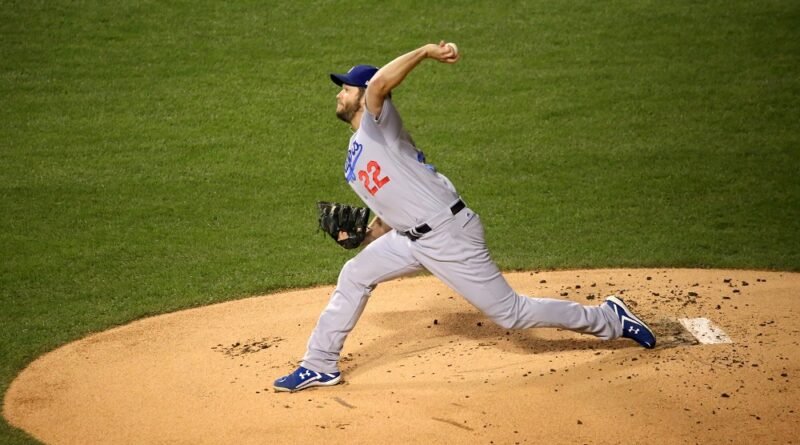
The Importance of Pitching in Major League Baseball
In Major League Baseball (MLB), pitching is often considered one of the most important aspects of the game. While powerful hitters and strong defensive plays frequently attract attention, a team’s success often depends on the performance of its pitchers.
A great pitching staff can limit scoring opportunities, control the pace of a game, and give a team a significant advantage throughout the season. This is why pitching is often described as the foundation of championship-caliber baseball.
What Is Pitching?
Pitching is the act of throwing the baseball toward home plate to begin each play.
The pitcher stands on the pitcher’s mound and attempts to deliver pitches that are difficult for the batter to hit effectively.
Every game starts with the pitcher, making the position one of the most influential roles on the field.
Unlike many other sports, where players continuously interact with the ball, baseball gives pitchers direct control over every pitch.
Why Pitching Is So Important
A strong pitcher can greatly affect the outcome of a game.
By limiting hits, preventing runs, and forcing batters into difficult situations, pitchers help their teams maintain control.
Even the most talented offense can struggle against an elite pitcher who consistently throws strikes and keeps hitters off balance.
For this reason, teams invest significant resources in developing and acquiring quality pitchers.
The Role of the Starting Pitcher
The starting pitcher is responsible for beginning the game and typically pitching multiple innings.
A successful starting pitcher can:
- Prevent early runs
- Reduce pressure on the bullpen
- Establish momentum
- Keep the team competitive throughout the game
When starting pitchers perform well consistently, teams often have a better chance of winning over the course of a long season.
Understanding the Bullpen
Not every pitcher starts games.
Relief pitchers, who make up the bullpen, enter later in games to protect leads, stop scoring threats, or finish contests.
Important bullpen roles include:
Middle Relievers
These pitchers often enter during the middle innings and help bridge the gap between the starter and the late-game relievers.
Setup Pitchers
Setup pitchers usually work in high-pressure situations before the closer enters the game.
Closers
Closers are often responsible for protecting narrow leads in the final inning.
A reliable closer can be one of the most valuable players on a team.
Different Types of Pitches
One reason pitching is so effective is the variety of pitches available.
Common pitch types include:
Fastball
The fastball is generally the pitch thrown with the greatest velocity.
Curveball
A curveball uses spin to create significant downward movement.
Slider
The slider combines velocity and lateral movement, making it difficult for hitters to predict.
Changeup
A changeup is designed to look similar to a fastball while arriving at a slower speed.
The ability to mix different pitches helps pitchers keep hitters guessing.
Pitching and Strategy
Pitching is not only about throwing hard.
Success often depends on strategy, preparation, and execution.
Pitchers and catchers work together to create game plans based on factors such as:
- Opposing hitters
- Batting tendencies
- Pitch counts
- Game situations
- Weather conditions
A well-executed strategy can help pitchers succeed even against powerful offenses.
How Pitchers Control the Game
Pitchers influence nearly every aspect of a baseball game.
They can:
- Change the pace of play
- Force weak contact
- Generate strikeouts
- Limit scoring opportunities
- Manage pressure situations
Because every pitch starts with the pitcher, they have a unique ability to dictate how an at-bat unfolds.
Important Pitching Statistics
Several statistics help evaluate pitching performance.
ERA (Earned Run Average)
ERA measures the average number of earned runs a pitcher allows over nine innings.
Strikeouts
Strikeouts occur when a pitcher retires a batter without the ball being put into play.
WHIP
WHIP measures how many walks and hits a pitcher allows per inning pitched.
Saves
A save is credited to a relief pitcher who successfully finishes a game while protecting a lead under qualifying conditions.
These statistics provide useful insight into a pitcher’s effectiveness.
Mental Toughness in Pitching
Pitching requires more than physical ability.
Pitchers must remain focused under pressure, especially when facing dangerous hitters or pitching in crucial situations.
Mental toughness helps pitchers:
- Recover from mistakes
- Maintain confidence
- Execute pitches under pressure
- Stay composed during difficult innings
The psychological side of pitching is often just as important as physical skill.
The Connection Between Pitching and Defense
Although pitchers play a major role in preventing runs, they also rely on their teammates.
Strong defensive play can help turn batted balls into outs and support a pitcher’s performance.
The best teams often combine quality pitching with reliable defense, creating a strong overall run-prevention system.
Why Championship Teams Need Great Pitching
Throughout MLB history, many championship teams have featured excellent pitching staffs.
Strong pitching becomes especially important during the postseason, where games are often closely contested and every run matters.
A dominant pitcher can completely change the outcome of a playoff series by limiting the opposing offense and giving their team a better chance to win.
How Young Pitchers Develop
Developing successful pitchers takes time.
Young athletes must learn:
- Proper mechanics
- Pitch control
- Command
- Physical conditioning
- Mental preparation
Many pitchers spend years refining their skills before reaching the major leagues.
Consistent development and coaching are critical for long-term success.
Final Thoughts
Pitching is one of the most important elements of Major League Baseball. Every game begins with a pitch, and the performance of pitchers can influence strategy, momentum, and results throughout a season.
From starting pitchers and closers to pitch selection and mental preparation, pitching affects nearly every aspect of baseball. While powerful hitters often generate headlines, many successful teams are built around strong pitching staffs capable of controlling games and preventing runs.
For new baseball fans, understanding pitching is one of the best ways to gain a deeper appreciation for the strategy and excitement of Major League Baseball.