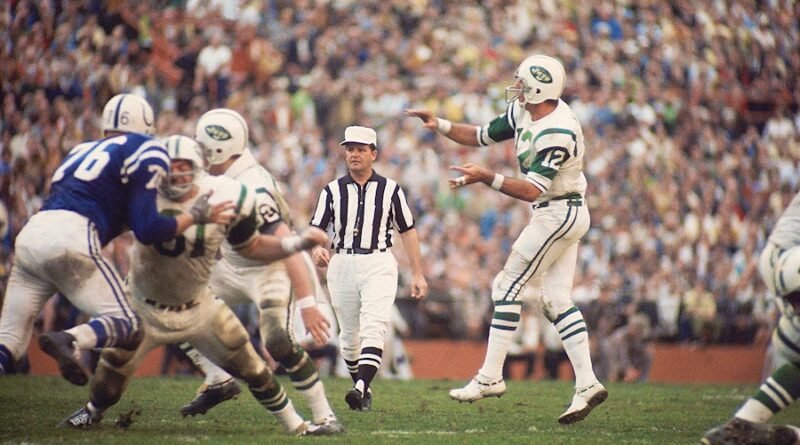
The Evolution of the NFL: From Its Origins to Today
The National Football League (NFL) is one of the most successful and popular sports organizations in the world. With millions of fans, massive television audiences, and a rich competitive history, the NFL has become a cornerstone of American sports culture.
However, the league’s journey to becoming a global sports powerhouse was not immediate. The NFL evolved over decades through rule changes, expansion, technological innovations, and growing fan interest. Understanding this evolution helps explain why the league continues to thrive today.
This guide explores the history of the NFL, from its humble beginnings to its status as one of the world’s most influential sports leagues.
The Early Origins of Professional Football
Professional football existed before the NFL was officially formed.
In the late 1800s and early 1900s, football was primarily played at the college level. As the sport gained popularity, some teams began paying players, creating the foundations of professional football.
However, the sport lacked organization, consistency, and a governing structure.
Teams often scheduled games independently, and there was no unified championship system.
The Birth of the NFL
The NFL was founded in 1920 under the name:
American Professional Football Association (APFA)
The league originally consisted of several teams from the Midwest region of the United States.
Its goals included:
- Establishing consistent rules
- Improving competition
- Reducing disputes over player contracts
- Promoting professional football
In 1922, the organization officially adopted the name:
National Football League (NFL)
This marked the beginning of a new era for professional football.
Early Challenges
The NFL faced numerous obstacles during its early years.
Challenges included:
- Limited fan interest
- Financial instability
- Competition from college football
- Team relocations
- Short-lived franchises
Many teams struggled to survive, and league membership frequently changed.
Despite these difficulties, the NFL gradually built credibility and stability.
The Rise of Star Players
During the 1920s and 1930s, star athletes helped attract public attention.
Talented players demonstrated that professional football could be an exciting spectator sport.
As fan interest grew, attendance increased and teams became more financially secure.
The emergence of recognizable stars played an important role in expanding the league’s popularity.
Expansion and Growth
Throughout the 1930s and 1940s, the NFL continued to grow.
Important developments included:
- Improved league organization
- Better scheduling systems
- Formal championship games
- Increased media coverage
These changes helped professional football become more structured and appealing to fans.
The Introduction of the NFL Championship Game
The NFL Championship Game became a major event that helped build excitement around the sport.
The championship format:
- Increased competition
- Created memorable rivalries
- Generated media attention
- Enhanced fan engagement
Championship contests helped establish football as a major professional sport.
Television Changes Everything
One of the most significant developments in NFL history was the rise of television.
As television ownership expanded across America, football became accessible to larger audiences.
Television helped:
- Increase league visibility
- Expand fan bases
- Generate advertising revenue
- Showcase star players
The NFL quickly recognized the value of broadcasting and began building strong relationships with television networks.
The AFL-NFL Rivalry
In 1960, the American Football League (AFL) was created as a competitor to the NFL.
The rivalry between the two leagues led to:
- Competition for players
- Increased salaries
- Greater fan interest
- New markets and teams
Both leagues expanded rapidly during this period.
The competition ultimately helped professional football become more popular nationwide.
The Historic Merger
In 1970, the NFL and AFL officially merged.
The merger created a unified professional football structure that remains in place today.
The league was divided into:
- American Football Conference (AFC)
- National Football Conference (NFC)
The merger is widely considered one of the most important moments in NFL history.
It helped create greater stability, stronger competition, and increased national appeal.
The Birth of the Super Bowl
The Super Bowl emerged from the AFL-NFL merger era.
Originally created to determine the champion between the two leagues, it quickly became one of the biggest sporting events in the world.
Today, the Super Bowl is known for:
- Elite competition
- Massive television audiences
- Memorable commercials
- Halftime entertainment
- Global media attention
The event has become a cultural phenomenon far beyond sports.
Rule Changes and Player Safety
Over time, the NFL has introduced numerous rule changes.
Many of these changes were designed to:
- Improve player safety
- Increase scoring
- Enhance entertainment value
- Protect quarterbacks
- Reduce dangerous collisions
Player safety has become an increasingly important focus in modern football.
The league continues to evaluate and update rules to reduce injury risks.
The Evolution of Offensive Football
Early football often emphasized running plays and physical defense.
Modern NFL offenses have evolved significantly.
Today’s game features:
- Sophisticated passing attacks
- Faster playmakers
- Creative formations
- Advanced offensive strategies
Quarterbacks now play a larger role than ever before in determining team success.
The Impact of Technology
Technology has transformed nearly every aspect of the NFL.
Modern innovations include:
- Instant replay systems
- Advanced player tracking
- Performance analytics
- Digital scouting tools
- Enhanced broadcast experiences
Teams use data and technology to improve decision-making and player development.
Fantasy Football and Fan Engagement
Fantasy football has played a major role in expanding NFL popularity.
Millions of fans participate in fantasy leagues each season.
Fantasy football encourages fans to:
- Follow multiple teams
- Learn player statistics
- Watch more games
- Engage with league news
This additional layer of interaction has strengthened fan involvement.
International Growth
Although the NFL is based in the United States, its international presence continues to grow.
The league has expanded its global reach through:
- International games
- Global marketing campaigns
- Digital media
- Youth development programs
Football now attracts fans from countries around the world.
The NFL continues working to increase its international audience.
Modern NFL Competition
Today’s NFL features:
- 32 teams
- Highly competitive divisions
- Salary cap regulations
- Advanced scouting systems
- Elite athletic talent
League parity helps maintain competitive balance and keeps fans engaged throughout the season.
Any team can potentially become a championship contender with effective management and player development.
The Business of the NFL
The NFL has grown into one of the most valuable sports organizations in the world.
Revenue sources include:
- Television contracts
- Sponsorships
- Merchandise sales
- Ticket sales
- Digital content
The league’s business success has helped fund continued growth and innovation.
Why the NFL Remains Popular
Several factors contribute to the NFL’s enduring appeal:
- Competitive balance
- Exciting gameplay
- Strong rivalries
- Star athletes
- Historic traditions
- High-stakes postseason action
The league continues to adapt while preserving the elements that fans love.
The Future of the NFL
The NFL continues to evolve as technology, media consumption, and player development change.
Future areas of focus may include:
- Enhanced player safety
- International expansion
- Advanced analytics
- New broadcast experiences
- Greater digital engagement
The ability to adapt has been a key factor in the league’s long-term success.
Final Thoughts
The NFL has come a long way since its founding in 1920. From a small professional football organization to a global sports powerhouse, the league has continuously evolved through innovation, expansion, and adaptation.
Key milestones such as the AFL merger, the creation of the Super Bowl, television growth, technological advancements, and international outreach have helped shape the modern NFL. As the sport continues to grow, the league remains one of the most influential and exciting organizations in professional sports, captivating fans across generations and around the world.