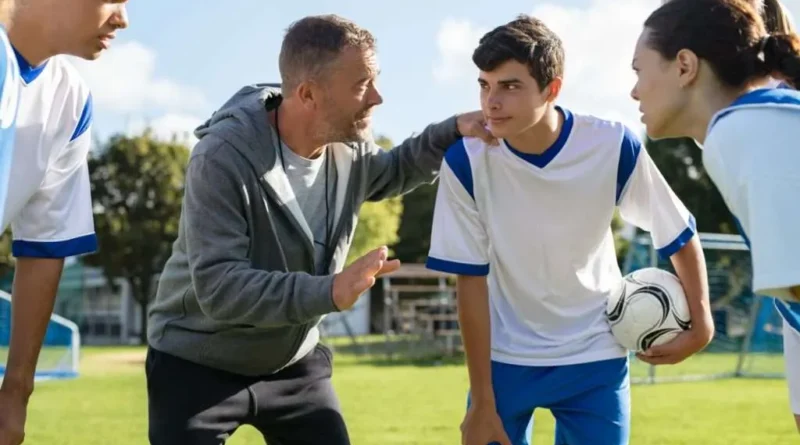
What Makes a Great Team Captain?
In sports, talent and skill are essential for success, but leadership often makes the difference between a good team and a great one. One of the most important leadership roles in any team is the captain. A team captain serves as a bridge between coaches and players, helping guide the team both on and off the field.
While some athletes are naturally gifted leaders, great captains develop their leadership abilities through experience, communication, responsibility, and dedication. A captain’s influence extends far beyond game day, shaping team culture, motivation, and performance throughout the season.
This guide explores the qualities that make a great team captain and why effective leadership is so valuable in sports.
The Role of a Team Captain
A team captain is more than just a player wearing an armband or holding a title.
Captains are often responsible for:
- Leading by example
- Supporting teammates
- Communicating with coaches
- Maintaining team morale
- Encouraging discipline
- Representing the team
Their actions can influence the attitude and performance of the entire group.
Leading by Example
One of the most important qualities of a great captain is the ability to lead by example.
Teammates pay close attention to how leaders behave during:
- Training sessions
- Competitions
- Team meetings
- Challenging situations
Captains who consistently demonstrate effort, professionalism, and commitment often earn the respect of their teammates.
Leadership begins with actions rather than words.
Strong Communication Skills
Effective communication is a key part of successful leadership.
Great captains know how to:
- Deliver clear messages
- Listen to teammates
- Provide encouragement
- Resolve misunderstandings
- Communicate with coaches
Strong communication helps create trust and ensures that everyone understands team goals and expectations.
Earning Respect
Respect cannot simply be assigned through a title.
Great captains earn respect through:
- Hard work
- Consistency
- Integrity
- Accountability
When players trust and respect their captain, they are more likely to follow their guidance during difficult situations.
Staying Calm Under Pressure
Sports often involve high-pressure moments.
A captain must remain composed when facing:
- Tough opponents
- Close games
- Mistakes
- Unexpected challenges
Remaining calm helps the entire team maintain focus and confidence.
Leaders who panic under pressure can unintentionally spread anxiety throughout the team.
Motivating Teammates
Great captains understand how to inspire others.
Motivation can come through:
- Positive encouragement
- Constructive feedback
- Personal example
- Team-building efforts
Different teammates may respond to different forms of motivation, and effective captains learn how to support individuals while keeping the group united.
Building Team Unity
Successful teams depend on strong relationships.
Captains play an important role in creating an environment where players:
- Support one another
- Respect differences
- Work toward common goals
- Trust each other
Team unity often improves both performance and overall enjoyment of the sport.
Taking Responsibility
Accountability is a defining characteristic of great leaders.
Strong captains take responsibility for:
- Their own actions
- Team mistakes
- Leadership decisions
Rather than blaming others, they focus on finding solutions and helping the team improve.
This approach encourages a culture of accountability throughout the organization.
Supporting Teammates During Difficult Times
Every athlete experiences challenges.
These may include:
- Poor performances
- Injuries
- Loss of confidence
- Personal difficulties
Great captains provide support during these moments.
A simple conversation or encouraging message can have a significant positive impact on a teammate.
Setting High Standards
Captains often help establish expectations for the team.
This may include standards related to:
- Work ethic
- Discipline
- Attendance
- Sportsmanship
- Preparation
By consistently meeting these standards themselves, captains encourage others to do the same.
Being a Positive Role Model
Younger athletes often look up to team leaders.
Great captains understand that their behavior can influence others.
Positive role models demonstrate:
- Respect
- Humility
- Discipline
- Good sportsmanship
Their actions contribute to a healthy team culture.
Handling Conflict Effectively
Disagreements can occur in any team environment.
A strong captain helps manage conflict by:
- Listening to all sides
- Encouraging respectful communication
- Promoting teamwork
- Seeking fair solutions
Addressing problems early can prevent larger issues from developing.
Confidence Without Arrogance
Confidence is an important leadership trait.
However, great captains balance confidence with humility.
They believe in their abilities while remaining open to:
- Feedback
- Learning opportunities
- Different perspectives
This balance helps maintain positive relationships within the team.
Adaptability
Sports are unpredictable.
Captains may need to adapt to:
- Tactical changes
- Injuries
- New teammates
- Difficult circumstances
Flexible leaders help teams respond effectively to changing situations.
Emotional Intelligence
Emotional intelligence refers to the ability to understand and manage emotions.
Captains with strong emotional intelligence can:
- Recognize teammate concerns
- Build trust
- Manage pressure
- Maintain positive relationships
These skills are often just as valuable as athletic ability.
Commitment to Team Success
Great captains prioritize the team’s success over personal recognition.
They understand that leadership involves serving the group rather than seeking individual attention.
This team-first mindset often inspires others to make similar sacrifices.
Learning From Experience
Leadership is a skill that develops over time.
Many successful captains improve by:
- Observing experienced leaders
- Reflecting on mistakes
- Seeking feedback
- Continuously learning
Even elite leaders continue working to improve their leadership abilities.
Leadership Beyond Competition
A captain’s influence extends beyond matches and tournaments.
Leadership is demonstrated through:
- Daily habits
- Team interactions
- Preparation
- Attitude
The strongest leaders consistently contribute to a positive environment both on and off the field.
Can Anyone Become a Great Captain?
While some individuals naturally possess leadership qualities, many leadership skills can be developed.
Athletes can improve their leadership by:
- Communicating effectively
- Taking responsibility
- Supporting teammates
- Building confidence
- Practicing self-discipline
Leadership growth is available to anyone willing to learn and improve.
Final Thoughts
A great team captain combines leadership, communication, responsibility, and dedication to help guide their team toward success. By leading through example, supporting teammates, remaining calm under pressure, and promoting unity, captains create an environment where athletes can perform at their best.
While athletic talent may contribute to a captain’s influence, true leadership comes from character and actions. The most respected captains are those who consistently place the team’s needs first and inspire others to work together toward a common goal. In any sport, strong leadership can be one of the most valuable assets a team possesses.