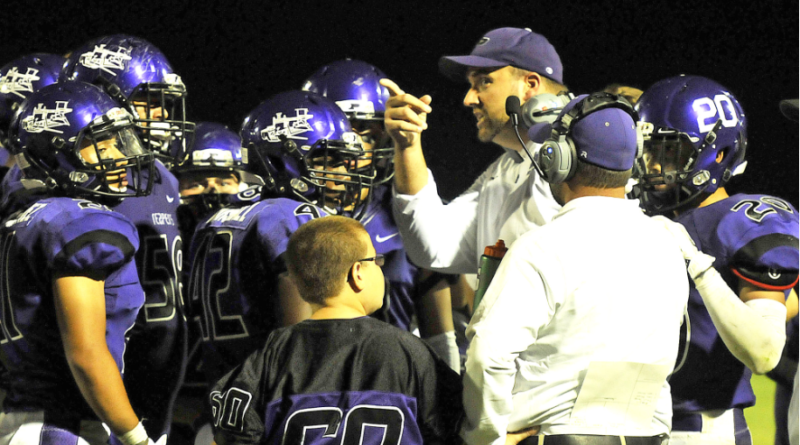
How Coaches Build Winning NFL Game Plans
Success in the NFL is rarely the result of talent alone. While skilled players are essential, effective coaching and strategic preparation often determine the outcome of games. One of the most important responsibilities of an NFL coaching staff is developing a game plan that maximizes team strengths while exploiting opponent weaknesses.
A winning game plan requires detailed analysis, careful preparation, and the ability to make adjustments before and during a game. From studying film to designing offensive and defensive strategies, NFL coaches spend countless hours preparing for every matchup.
This guide explains how coaches build winning NFL game plans and why preparation is such a critical part of professional football.
What Is an NFL Game Plan?
An NFL game plan is a comprehensive strategy designed for a specific opponent.
It outlines:
- Offensive objectives
- Defensive strategies
- Special teams responsibilities
- Situational approaches
- Personnel usage
Every game plan is tailored to the unique strengths and weaknesses of both teams.
Rather than using the exact same strategy every week, coaches adjust their plans based on the upcoming opponent.
The Importance of Film Study
Film study is one of the most valuable tools available to NFL coaches.
Coaching staffs spend hours reviewing game footage to identify:
- Offensive tendencies
- Defensive formations
- Player strengths
- Player weaknesses
- Situational patterns
Film analysis allows coaches to predict how opponents may react in various situations.
The more information a team gathers, the better prepared it can be on game day.
Analyzing Opponent Tendencies
NFL teams collect large amounts of data regarding opponent behavior.
Coaches study tendencies such as:
- Preferred running plays
- Passing concepts
- Blitz frequency
- Third-down strategies
- Red-zone play selection
Understanding these patterns helps coaches anticipate what the opposing team may do during critical moments.
Evaluating Team Strengths
A successful game plan focuses not only on the opponent but also on the team’s own strengths.
Coaches ask questions such as:
- What does our team do best?
- Which players create matchup advantages?
- Where can we attack effectively?
- What personnel packages work most efficiently?
The best game plans maximize the abilities of key players.
Building the Offensive Game Plan
Offensive coaches design strategies to move the ball and score points.
Their plan often includes:
- Running concepts
- Passing plays
- Play-action designs
- Screen passes
- Red-zone packages
Every play is selected with specific goals in mind.
The objective is to create favorable situations for the offense throughout the game.
Establishing the Running Game
Many coaches believe a strong running game creates offensive balance.
Running the football can:
- Control the clock
- Wear down defenses
- Create play-action opportunities
- Improve field position
Even pass-oriented teams often incorporate a strategic rushing attack.
Designing Passing Concepts
Passing plays are carefully chosen based on defensive tendencies.
Coaches may target:
- Weak defensive backs
- Specific coverage schemes
- Linebacker mismatches
- Vulnerable zones
Quarterbacks are often given multiple options depending on how the defense reacts.
Creating Matchup Advantages
One of the primary goals of offensive planning is creating favorable matchups.
Examples include:
- Fast receivers against slower defenders
- Athletic tight ends against linebackers
- Strong offensive linemen against weaker pass rushers
Identifying and exploiting mismatches can create significant advantages.
Developing the Defensive Game Plan
Defensive coaches focus on limiting the opponent’s effectiveness.
Key priorities include:
- Stopping the run
- Pressuring the quarterback
- Preventing big plays
- Creating turnovers
The defensive strategy often changes dramatically depending on the opponent.
Stopping the Opponent’s Best Players
Great coaches understand the importance of neutralizing elite talent.
Defensive plans may be designed to limit:
- Star quarterbacks
- Top wide receivers
- Dynamic running backs
- Elite tight ends
Forcing other players to take larger roles can disrupt an offense’s rhythm.
Pressure Packages and Blitzes
Defensive coordinators often design pressure packages to challenge quarterbacks.
Pressure can:
- Force mistakes
- Disrupt timing
- Create sacks
- Generate turnovers
However, blitzing also carries risks, so coaches must balance aggression with coverage responsibilities.
Special Teams Planning
Special teams can significantly influence field position and momentum.
Game plans often include strategies for:
- Kickoffs
- Punt coverage
- Field goals
- Return opportunities
A single special teams play can sometimes change the outcome of an entire game.
Situational Football
NFL games are often decided by key situations.
Coaches spend considerable time preparing for:
Third Downs
Converting or stopping third downs can determine possession and momentum.
Red-Zone Opportunities
Scoring efficiency inside the opponent’s 20-yard line is critical.
Two-Minute Drills
Teams prepare for end-of-half and end-of-game situations.
Goal-Line Plays
Short-yardage situations require specialized planning.
Success in these moments often separates winning teams from losing teams.
Using Analytics in Modern Football
Analytics have become increasingly important in NFL decision-making.
Teams analyze data related to:
- Fourth-down decisions
- Play-calling tendencies
- Player performance
- Clock management
Analytics provide additional information that can help coaches make more informed decisions.
Weekly Practice Preparation
Once a game plan is created, coaches must teach it to the players.
Throughout the week, practices focus on:
- Installing new plays
- Reviewing assignments
- Simulating opponent strategies
- Correcting mistakes
Repetition helps players execute effectively under game-day pressure.
Communication Between Coaches and Players
Clear communication is essential.
Players must understand:
- Their responsibilities
- Adjustments
- Formations
- Situational strategies
Confusion can lead to costly mistakes during games.
Strong communication helps ensure that everyone operates with the same understanding.
Making In-Game Adjustments
Even the best game plans require adjustments.
Opponents may:
- Change strategies
- Exploit weaknesses
- Introduce unexpected tactics
Successful coaches evaluate what is happening in real time and adapt accordingly.
Halftime adjustments are often particularly important.
The Role of the Head Coach
The head coach oversees the entire planning process.
Responsibilities include:
- Coordinating staff efforts
- Managing game strategy
- Making key decisions
- Maintaining team focus
Strong leadership helps ensure that all aspects of preparation work together effectively.
Leadership and Team Culture
A winning game plan is most effective when supported by a strong team culture.
Coaches work to build:
- Accountability
- Discipline
- Trust
- Confidence
Teams that believe in the game plan are often more successful in executing it.
Common Challenges Coaches Face
NFL coaches regularly encounter challenges such as:
- Injuries
- Limited preparation time
- Unexpected opponent adjustments
- Weather conditions
- Personnel changes
Flexibility and preparation help teams overcome these obstacles.
What Separates Great NFL Coaches?
Elite coaches consistently demonstrate:
- Strategic thinking
- Attention to detail
- Adaptability
- Leadership
- Communication skills
Their ability to prepare teams effectively often provides a competitive advantage.
Final Thoughts
Building a winning NFL game plan is a complex process that combines film study, analytics, strategic thinking, player evaluation, and detailed preparation. Coaches carefully analyze opponents, develop offensive and defensive strategies, create matchup advantages, and prepare players for every possible situation.
While talent remains important, effective game planning often plays a major role in determining success at the highest level of football. The teams that prepare thoroughly, communicate clearly, and adapt quickly are often the ones that find themselves competing for championships.