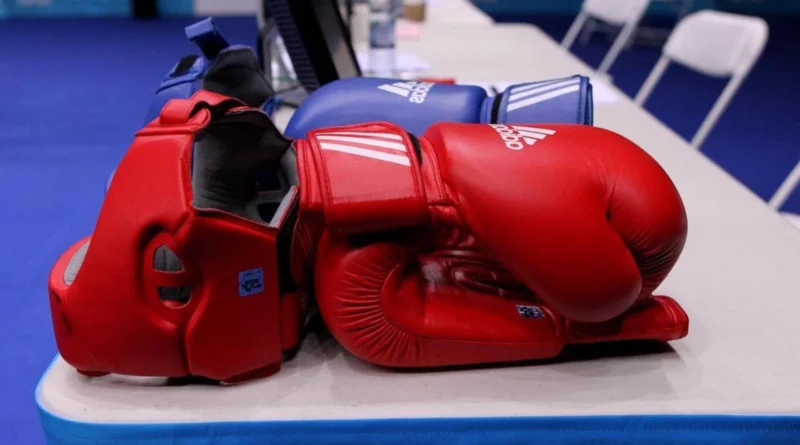
Protective Equipment Every Combat Sports Athlete Should Use
Combat sports such as boxing, MMA, kickboxing, Muay Thai, wrestling, and other martial arts require skill, discipline, and physical conditioning. While training and competition can be rewarding, they also involve physical contact that may increase the risk of injury.
One of the best ways to reduce these risks is by using proper protective equipment. The right gear helps athletes train safely, protect vulnerable areas of the body, and focus on improving their skills.
Whether you are a beginner or an experienced competitor, understanding the importance of protective equipment is essential for long-term success in combat sports.
Why Protective Equipment Matters
Combat sports involve punches, kicks, takedowns, grappling, and other forms of physical contact.
Protective equipment helps:
- Reduce the risk of injury
- Improve training safety
- Increase confidence during practice
- Protect vulnerable body parts
- Support long-term athletic development
While no equipment can eliminate all risks, proper gear can significantly improve safety during training and competition.
Mouthguard
A mouthguard is one of the most important pieces of protective equipment for combat sports athletes.
It helps protect:
- Teeth
- Gums
- Jaw
- Lips
- Mouth tissues
A properly fitted mouthguard can reduce the severity of dental injuries and provide additional protection during impacts.
Most coaches recommend wearing a mouthguard during sparring and competition.
Boxing Gloves
Boxing gloves are essential for sports that involve punching.
They help:
- Protect the hands
- Reduce impact forces
- Support wrist stability
- Improve training safety
Different gloves are designed for various purposes, including bag work, sparring, and competition.
Athletes should select gloves that match their training needs and follow the recommendations of their coaches and organizations.
Hand Wraps
Hand wraps are commonly worn underneath boxing gloves.
They provide support for:
- Wrists
- Knuckles
- Fingers
- Small bones of the hand
Hand wraps help stabilize the hand structure and may reduce the risk of injuries during repeated punching.
Many experienced athletes consider hand wraps just as important as the gloves themselves.
Headgear
Headgear is often used during training and sparring sessions in several combat sports.
Its primary purpose is to:
- Reduce cuts and abrasions
- Protect the face
- Minimize certain impacts
- Increase training confidence
Headgear is especially common in amateur boxing and various sparring environments.
However, athletes should always follow the specific rules of their sport and organization.
Shin Guards
Shin guards are commonly used in:
- Kickboxing
- Muay Thai
- MMA training
They help protect the shins from repeated impacts during kicking drills and sparring.
Shin guards can reduce bruising and discomfort while allowing athletes to practice techniques with greater confidence.
Groin Protection
Groin protectors are important for many combat sports.
Accidental contact can occur during:
- Kicking exchanges
- Grappling situations
- Takedowns
- Sparring sessions
Proper groin protection helps reduce the risk of painful and potentially serious injuries.
Many organizations require this equipment during competition.
Chest Protection
In some training environments and amateur competitions, chest protectors may be used.
They are designed to provide additional protection against impacts to the upper body.
Chest protection is particularly common in youth and amateur combat sports programs where safety is emphasized.
Wrestling Ear Guards
Wrestlers often wear ear guards to help protect against ear injuries.
Repeated friction and pressure can contribute to conditions such as cauliflower ear.
Ear guards help reduce this risk while allowing athletes to train and compete comfortably.
They are a common piece of equipment in wrestling programs around the world.
Rash Guards
Rash guards are frequently used in:
- MMA
- Brazilian Jiu-Jitsu
- Grappling sports
Benefits include:
- Skin protection
- Reduced friction
- Improved comfort
- Moisture management
They can also help minimize skin irritation during prolonged training sessions.
Knee Pads
Certain athletes choose to wear knee pads during training.
Knee pads may provide:
- Additional cushioning
- Joint protection
- Improved comfort during grappling
This can be particularly useful in sports involving takedowns and ground-based techniques.
Ankle Supports
Combat sports require frequent movement, pivoting, and changes of direction.
Some athletes use ankle supports to:
- Improve stability
- Increase confidence
- Provide additional support during training
However, athletes should seek professional guidance regarding injury prevention and equipment selection.
Proper Footwear
Footwear requirements vary by sport.
For example:
- Boxing uses specialized boxing shoes.
- Wrestling uses wrestling shoes.
- Many MMA and Brazilian Jiu-Jitsu activities are performed barefoot.
Using appropriate footwear can improve traction, movement, balance, and overall safety.
Athletes should follow the standards of their specific discipline.
Protective Equipment for Beginners
Beginners should focus on obtaining the most essential equipment first.
A typical beginner setup may include:
- Mouthguard
- Gloves
- Hand wraps
- Shin guards (if applicable)
- Groin protection
- Appropriate training clothing
As training progresses, additional equipment may become necessary depending on the sport and training intensity.
Maintaining Protective Equipment
Protective gear requires regular maintenance.
Athletes should:
- Clean equipment after use
- Allow gear to dry properly
- Replace damaged equipment
- Inspect straps and padding regularly
- Follow manufacturer recommendations
Well-maintained equipment generally performs better and lasts longer.
Choosing High-Quality Equipment
Not all protective equipment is created equally.
When selecting gear, athletes should consider:
- Comfort
- Fit
- Durability
- Safety standards
- Sport-specific requirements
Properly fitted equipment typically provides better protection than poorly fitted alternatives.
Athletes should seek advice from coaches or experienced practitioners when purchasing new gear.
Safety Beyond Equipment
Protective equipment is only one part of injury prevention.
Athletes should also focus on:
- Proper technique
- Qualified coaching
- Safe training practices
- Warm-ups
- Recovery
- Physical conditioning
Combining quality equipment with smart training habits provides the best overall approach to safety.
Final Thoughts
Protective equipment plays a vital role in combat sports training and competition. Gear such as mouthguards, gloves, hand wraps, headgear, shin guards, and groin protection helps athletes train more safely while reducing the risk of injury.
Although no equipment can completely eliminate risk, using the proper gear allows athletes to focus on skill development, performance, and long-term progress.
Whether you practice boxing, MMA, kickboxing, wrestling, or another combat sport, investing in quality protective equipment is one of the smartest decisions you can make for your safety and success.